


Fiche Personne
Musique
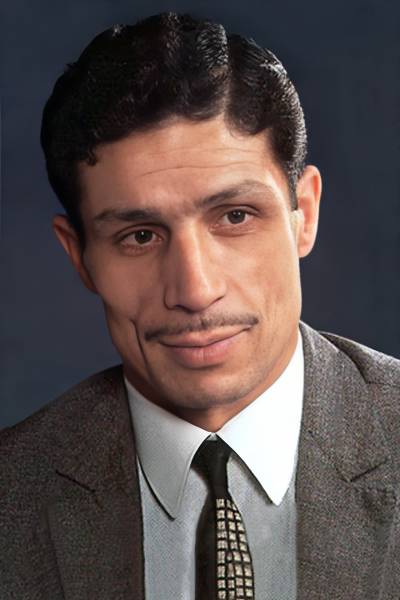
Abderrahmane Amrani, known by the stage name Dahmane el Harrachi (Arabic: دحمان الحراشي), is an Algerian musician, pianist, singer-songwriter, of chaâbi music. Born July 7, 1926 in El Biar, Algiers, and died August 31, 1980 in Aïn Benian in the western suburbs of Algiers. He is considered a great master (sheikh) of chaâbi. His son, Kamel El Harrachi, also a chaâbi singer-songwriter, continues to bring his repertoire to life.
An Algerian originally from Djellal in the wilaya of Khenchela, his father settled in Algiers in 1920 and became muezzin at the Great Mosque. After the birth of Dahmane (short for Abderrahmane), the family moved to Belcourt, rue Marey, then settled permanently in El-Harrach. The youngest of a family of eleven children, it is from the El Harrach district that Dahmane gets his nickname El Harrachi. He began playing the banjo very early, influenced by the Chaâbi singer Khelifa Belkacem (died in 1951). At 16, he performed the latter's songs. With a school certificate in hand, he became a shoemaker and then a tram conductor on the line linking Maison Carrée to Bab El Oued. He is already a banjo virtuoso and many chaâbi singers from the 1940s offer his services such as Hadj Menouar, Cheïkh Bourahla, Cheïkh Larbi el Annabi, Abdelkader Ouchala and especially Cheikh El Hasnaoui with whom he performs for the first time at the Café des Artistes, rue de Charonne in Paris in 1952. In 1949, he went to France, and for years he performed in North African cafés in cities across France. He performs the Algiers chaâbi repertoire accompanied by a banjo. He then discovered the gap between the reality of immigration and the North African repertoire of melhoun written between the 16th and 19th centuries. Author-composer, he adapts chaâbi in his own way by creating a new musical and poetic language by singing the experiences of his contemporaries.
He recorded his first record with Pathé Marconi in 1956, during the war of independence, the song bears the title Behdja Bidha Ma T'houl (White Algiers will never lose its shine) and also composed the song Kifech Nennsa Biled El Khir (How can I forget the land of plenty).
An original artist, he modernizes the chaâbi and gives the banjo and the mandola a phrasing, harmony and accentuations that are his own and which distinguish him from other chaâbi singers. His repertoire consists of around 500 songs of which he is the author. He spent his entire artistic career in France and received recognition from his peers during the Maghreb Music Festival in the early 1970s in La Villette. Discovered late by the new generation in Algeria, he only officially performed in public in 1974 at the Atlas Hall in Algiers. On Algerian television, he left three recordings and played his own role as a chaâbi singer in a TV film entitled Saha Dahmane filmed just before his disappearance in a road accident on August 31, 1980 in Aïn Benian.
One of his most famous songs Ya Rayah (O leaving), about emigration, departure, was a great success when it was released in France in 1973. Rachid Taha covered it in 1997. The original song made the around the world and was translated into several languages while keeping the same melody.
http://https://www.discogs.com/fr/artist/52660-Dahmane-El-Harrachi
Dahmane El Harrachi
Chanteur/euse, Musicien/ne, Compositeur
(Homme)
Algérie
Français
Abderrahmane Amrani, connu sous le nom de scène Dahmane el Harrachi (en arabe : دحمان الحراشي), est un musicien pianiste, auteur-compositeur-interprète algérien, de musique chaâbi. Né le 7 juillet 1926 à El Biar, Alger, et mort le 31 août 1980 à Aïn Benian dans la banlieue ouest d'Alger. Il est considéré comme un grand maître (cheikh) du chaâbi. Son fils, Kamel El Harrachi, également auteur-compositeur-interprète de chaâbi, continue de faire vivre son répertoire.
Algérois originaire de Djellal dans la wilaya de Khenchela, son père s'installe à Alger en 1920 et devient muezzin à la Grande Mosquée. Après la naissance de Dahmane (diminutif de Abderrahmane), la famille déménage à Belcourt, rue Marey, puis s'installe définitivement à El-Harrach. Benjamin d'une famille de onze enfants, c'est du quartier El Harrach que Dahmane tient son surnom d'El Harrachi. Il s'initie très tôt au banjo, influencé par le chanteur chaâbi Khelifa Belkacem (décédé en 1951). À 16 ans, il interprétait les chansons de ce dernier. Certificat d'études en poche, il se fait cordonnier puis receveur de tramway sur la ligne reliant Maison Carrée à Bab El Oued. C'est déjà un virtuose du banjo et beaucoup de chanteurs chaâbi des années 1940 s'offrent ses services tels que Hadj Menouar, Cheïkh Bourahla, Cheïkh Larbi el Annabi, Abdelkader Ouchala et surtout Cheikh El Hasnaoui avec qui il se produit pour la première fois au Café des Artistes, rue de Charonne à Paris en 1952. En 1949, il se rend en France, à Lille, puis à Marseille et enfin à Paris. Pendant des années, il se produit dans les cafés maghrébins des villes de France. Il interprète le répertoire chaâbi algérois accompagné d'un banjo. Il découvre alors le décalage entre la réalité de l'immigration et le répertoire maghrébin du melhoun écrit entre le XVIe et le XIXe siècle. Auteur-compositeur, il adapte à sa manière le chaâbi en créant un nouveau langage musical et poétique en chantant le vécu de ses contemporain.
Il enregistre son premier disque chez Pathé Marconi en 1956, pendant la guerre d'indépendance, la chanson porte le titre de Behdja Bidha Ma T'houl (Alger la blanche ne perdra jamais de son éclat) et compose aussi la chanson Kifech Nennsa Biled El Khir (Comment pourrai-je oublier le pays de l'abondance).
Artiste original, il modernise le chaâbi et donne au banjo et au mandole un phrasé, une harmonie et des accentuations qui lui sont propres et qui le distinguent des autres chanteurs chaâbi. Son répertoire est constitué d'environ 500 chansons dont il est l'auteur. Il fera toute sa carrière artistique en France et eu la reconnaissance de ses pairs lors du Festival de la Musique maghrébine au début des années 1970 à La Villette. Découvert sur le tard par la nouvelle génération en Algérie, il ne s'est produit officiellement en public qu'en 1974 à la salle Atlas d'Alger. À la télévision algérienne, il a laissé trois enregistrements et a joué son propre rôle de chanteur chaâbi dans un téléfilm qui a pour titre Saha Dahmane tourné juste avant sa disparition dans un accident de la route survenu le 31 août 1980 à Aïn Benian.
Une de ses chansons les plus célèbres Ya Rayah (Ô partant), sur l'émigration, le départ, a connu un grand succès à sa sortie en France en 1973. Rachid Taha l'a reprise en 1997. La chanson originale a fait le tour du monde et a été traduite en plusieurs langues tout en gardant la même mélodie.
https://www.discogs.com/fr/artist/52660-Dahmane-El-Harrachi
Algérois originaire de Djellal dans la wilaya de Khenchela, son père s'installe à Alger en 1920 et devient muezzin à la Grande Mosquée. Après la naissance de Dahmane (diminutif de Abderrahmane), la famille déménage à Belcourt, rue Marey, puis s'installe définitivement à El-Harrach. Benjamin d'une famille de onze enfants, c'est du quartier El Harrach que Dahmane tient son surnom d'El Harrachi. Il s'initie très tôt au banjo, influencé par le chanteur chaâbi Khelifa Belkacem (décédé en 1951). À 16 ans, il interprétait les chansons de ce dernier. Certificat d'études en poche, il se fait cordonnier puis receveur de tramway sur la ligne reliant Maison Carrée à Bab El Oued. C'est déjà un virtuose du banjo et beaucoup de chanteurs chaâbi des années 1940 s'offrent ses services tels que Hadj Menouar, Cheïkh Bourahla, Cheïkh Larbi el Annabi, Abdelkader Ouchala et surtout Cheikh El Hasnaoui avec qui il se produit pour la première fois au Café des Artistes, rue de Charonne à Paris en 1952. En 1949, il se rend en France, à Lille, puis à Marseille et enfin à Paris. Pendant des années, il se produit dans les cafés maghrébins des villes de France. Il interprète le répertoire chaâbi algérois accompagné d'un banjo. Il découvre alors le décalage entre la réalité de l'immigration et le répertoire maghrébin du melhoun écrit entre le XVIe et le XIXe siècle. Auteur-compositeur, il adapte à sa manière le chaâbi en créant un nouveau langage musical et poétique en chantant le vécu de ses contemporain.
Il enregistre son premier disque chez Pathé Marconi en 1956, pendant la guerre d'indépendance, la chanson porte le titre de Behdja Bidha Ma T'houl (Alger la blanche ne perdra jamais de son éclat) et compose aussi la chanson Kifech Nennsa Biled El Khir (Comment pourrai-je oublier le pays de l'abondance).
Artiste original, il modernise le chaâbi et donne au banjo et au mandole un phrasé, une harmonie et des accentuations qui lui sont propres et qui le distinguent des autres chanteurs chaâbi. Son répertoire est constitué d'environ 500 chansons dont il est l'auteur. Il fera toute sa carrière artistique en France et eu la reconnaissance de ses pairs lors du Festival de la Musique maghrébine au début des années 1970 à La Villette. Découvert sur le tard par la nouvelle génération en Algérie, il ne s'est produit officiellement en public qu'en 1974 à la salle Atlas d'Alger. À la télévision algérienne, il a laissé trois enregistrements et a joué son propre rôle de chanteur chaâbi dans un téléfilm qui a pour titre Saha Dahmane tourné juste avant sa disparition dans un accident de la route survenu le 31 août 1980 à Aïn Benian.
Une de ses chansons les plus célèbres Ya Rayah (Ô partant), sur l'émigration, le départ, a connu un grand succès à sa sortie en France en 1973. Rachid Taha l'a reprise en 1997. La chanson originale a fait le tour du monde et a été traduite en plusieurs langues tout en gardant la même mélodie.
https://www.discogs.com/fr/artist/52660-Dahmane-El-Harrachi
English
Abderrahmane Amrani, known by the stage name Dahmane el Harrachi (Arabic: دحمان الحراشي), is an Algerian musician, pianist, singer-songwriter, of chaâbi music. Born July 7, 1926 in El Biar, Algiers, and died August 31, 1980 in Aïn Benian in the western suburbs of Algiers. He is considered a great master (sheikh) of chaâbi. His son, Kamel El Harrachi, also a chaâbi singer-songwriter, continues to bring his repertoire to life.
An Algerian originally from Djellal in the wilaya of Khenchela, his father settled in Algiers in 1920 and became muezzin at the Great Mosque. After the birth of Dahmane (short for Abderrahmane), the family moved to Belcourt, rue Marey, then settled permanently in El-Harrach. The youngest of a family of eleven children, it is from the El Harrach district that Dahmane gets his nickname El Harrachi. He began playing the banjo very early, influenced by the Chaâbi singer Khelifa Belkacem (died in 1951). At 16, he performed the latter's songs. With a school certificate in hand, he became a shoemaker and then a tram conductor on the line linking Maison Carrée to Bab El Oued. He is already a banjo virtuoso and many chaâbi singers from the 1940s offer his services such as Hadj Menouar, Cheïkh Bourahla, Cheïkh Larbi el Annabi, Abdelkader Ouchala and especially Cheikh El Hasnaoui with whom he performs for the first time at the Café des Artistes, rue de Charonne in Paris in 1952. In 1949, he went to France, and for years he performed in North African cafés in cities across France. He performs the Algiers chaâbi repertoire accompanied by a banjo. He then discovered the gap between the reality of immigration and the North African repertoire of melhoun written between the 16th and 19th centuries. Author-composer, he adapts chaâbi in his own way by creating a new musical and poetic language by singing the experiences of his contemporaries.
He recorded his first record with Pathé Marconi in 1956, during the war of independence, the song bears the title Behdja Bidha Ma T'houl (White Algiers will never lose its shine) and also composed the song Kifech Nennsa Biled El Khir (How can I forget the land of plenty).
An original artist, he modernizes the chaâbi and gives the banjo and the mandola a phrasing, harmony and accentuations that are his own and which distinguish him from other chaâbi singers. His repertoire consists of around 500 songs of which he is the author. He spent his entire artistic career in France and received recognition from his peers during the Maghreb Music Festival in the early 1970s in La Villette. Discovered late by the new generation in Algeria, he only officially performed in public in 1974 at the Atlas Hall in Algiers. On Algerian television, he left three recordings and played his own role as a chaâbi singer in a TV film entitled Saha Dahmane filmed just before his disappearance in a road accident on August 31, 1980 in Aïn Benian.
One of his most famous songs Ya Rayah (O leaving), about emigration, departure, was a great success when it was released in France in 1973. Rachid Taha covered it in 1997. The original song made the around the world and was translated into several languages while keeping the same melody.
http://https://www.discogs.com/fr/artist/52660-Dahmane-El-Harrachi
Disque(s)
-
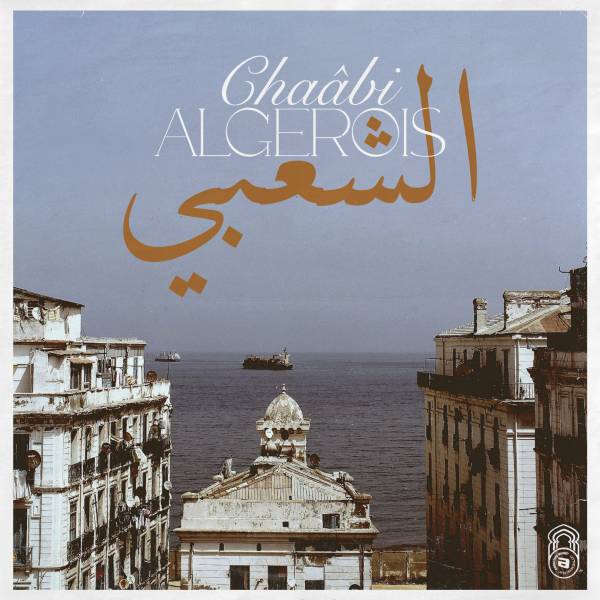 Chaâbi AlgéroisCompilation - 2021"Chaâbi Algérois" est un album multi-artiste distribué par Addictive Music sorti...Dahmane El Harrachi est lié(e) à ce Disque en tant que chanteur/euse
 -
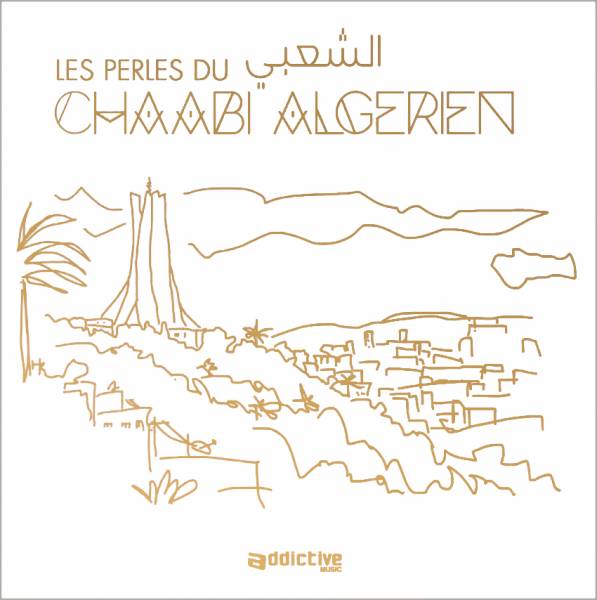 Les Perles du Chaâbi AlgérienCompilation - 2017Le Chaâbi Algérien Le chaâbi (de l'arabe الشعبي)...Dahmane El Harrachi est lié(e) à ce Disque en tant que chanteur/euse
Films(s)
-
 Saha DahmaneLong-métrage - 0Saha Dahmane (فيلم صحة دحمان), est un film sur Dahmane El Harrachi, musicien, chanteur et compositeur de la célèbre chanson "Ya R...Dahmane El Harrachi est lié(e) à ce film en tant que chanteur/euse
 -
 La Révolution d'El HarrachiLong-métrage - 0Le parcours artistique de Dahmane El Harrachi, né en 1925 à Alger - porte la marque de son vécu. Observateur attentif et vigilant du milieu des travailleurs immigrés, Dahmane a toujours &eacut...Dahmane El Harrachi est lié(e) à ce film en tant que personne concernée
Partager :

