


Fiche Personne
Théâtre
Cinéma/TV
Média
Brian McKenna
Réalisateur/trice, Journaliste, Scénariste
Canada

Français
Détenteur d'un diplôme universitaire en littérature anglaise, journaliste de presse écrite dans un grand magazine national, ancien journaliste affecté à la colline parlementaire et président fondateur du Comité de protection des journalistes, Brian McKenna est aussi reconnu pour la réalisation de nombreux films chocs sur l'histoire canadienne.
Cumulant les talents d'historien, d'auteur et de journaliste, McKenna nous a entre autres livré la série "La Bravoure et le mépris (The Valour and the Horror)", qui a remporté cinq prix Gemini et suscité un débat passionnel marqué par une enquête (favorable) du CRTC, une enquête (défavorable) du Sénat et une poursuite de 500 millions$, poursuite qui a été par la suite rejetée.
McKenna est aussi l'un des producteurs à l'origine de la populaire émission "The fifth estate", diffusée à la CBC. Il a écrit et réalisé une soixantaine de films dans le cadre de cette émission, des reportages qui lui ont valu plusieurs prix.
Il a également écrit et réalisé "The Killing Ground", un documentaire dramatisé qui traite de la participation des militaires canadiens à la Première Guerre mondiale et qui a remporté, en 1988, le prix Anik décerné au meilleur documentaire diffusé par CBC. C'est d'ailleurs ce film qui a servi de source d'inspiration à la série "La Bravoure et le mépris".
Brian McKenna a également à son actif la réalisation de "Mémoires" de Pierre Trudeau, une série de cinq émissions gagnante d'un prix Gemini et diffusée à la fois au réseau français et anglais de Radio-Canada. Le livre tiré de la série est par ailleurs devenu un best-seller au Canada. Parmi ses autres collaborations marquantes avec Galafilm, notons Korea: "The Unfinished War", "Chiefs", "The War of 1812", "Fire and Ice: The Rocket Richard Riot", "War at Sea", "Web of War" et "The Bribe and the Bullet".
En 2003, l'Académie canadienne du cinéma et de la télévision a rendu hommage au formidable journaliste qu'est Brian McKenna en lui remettant dans le cadre du gala des Gemini le prix Gordon Sinclar.
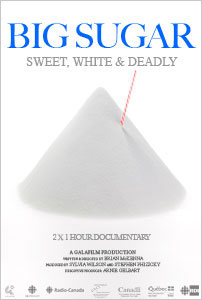
Il a réalisé BIG SUGAR (L'EMPIRE DU SUCRE) en 2005, documentaire en deux parties.
Cumulant les talents d'historien, d'auteur et de journaliste, McKenna nous a entre autres livré la série "La Bravoure et le mépris (The Valour and the Horror)", qui a remporté cinq prix Gemini et suscité un débat passionnel marqué par une enquête (favorable) du CRTC, une enquête (défavorable) du Sénat et une poursuite de 500 millions$, poursuite qui a été par la suite rejetée.
McKenna est aussi l'un des producteurs à l'origine de la populaire émission "The fifth estate", diffusée à la CBC. Il a écrit et réalisé une soixantaine de films dans le cadre de cette émission, des reportages qui lui ont valu plusieurs prix.
Il a également écrit et réalisé "The Killing Ground", un documentaire dramatisé qui traite de la participation des militaires canadiens à la Première Guerre mondiale et qui a remporté, en 1988, le prix Anik décerné au meilleur documentaire diffusé par CBC. C'est d'ailleurs ce film qui a servi de source d'inspiration à la série "La Bravoure et le mépris".
Brian McKenna a également à son actif la réalisation de "Mémoires" de Pierre Trudeau, une série de cinq émissions gagnante d'un prix Gemini et diffusée à la fois au réseau français et anglais de Radio-Canada. Le livre tiré de la série est par ailleurs devenu un best-seller au Canada. Parmi ses autres collaborations marquantes avec Galafilm, notons Korea: "The Unfinished War", "Chiefs", "The War of 1812", "Fire and Ice: The Rocket Richard Riot", "War at Sea", "Web of War" et "The Bribe and the Bullet".
En 2003, l'Académie canadienne du cinéma et de la télévision a rendu hommage au formidable journaliste qu'est Brian McKenna en lui remettant dans le cadre du gala des Gemini le prix Gordon Sinclar.
Il a réalisé BIG SUGAR (L'EMPIRE DU SUCRE) en 2005, documentaire en deux parties.
English
Filmmaker, historian, author and journalist, Brian McKenna is best known for provocative, prize-winning films on Canada's history: The Killing Ground, War at Sea, Valour and the Horror, Web of War and War of 1812, and Fire and Ice: The Rocket Richard Riot.
Brian McKenna is also a founding producer of the Canadian Broadcasting Corporation's Oscar-winning current affairs show, the fifth estate, a former parliamentary correspondent for The Montreal Star and co-author of the Penguin Books history of Montreal's legendary mayor, Jean Drapeau. He is the founding chairman of the Canadian Committee to Protect Journalists, prompted by his experience with war, torture and terrorism.
During a 12-year career at the fifth estate, McKenna wrote and directed some 60 films, winning a host of awards for writing, filmmaking and investigative journalism. For his feature documentary on torturers, "The Hooded Men", McKenna was awarded the Nellie Award for best documentary writing in Canada. The film also was honored in the United States and used by Amnesty International in their campaign against torture.
In 1987, he wrote and produced a feature length drama on the Montreal Underworld. Directed by Francis Mankiewicz, the film, And Then You Die, was broadcast internationally, and won a pair of Gemini Awards. This was followed by The Killing Ground, a two hour film on Canada and the 59,000 Canadians who died in the First World War. It won the Anik Award for best CBC documentary in 1988.
This led to Valour and the Horror, a three year inquiry into three Second World War battles: Hong Kong, Normandy and Bomber Command. The series was broadcast on both the English and French networks of the CBC in January 1992 and, in 1998, by History Television. The films were honoured with five Gemini Awards, as well as sparking a CRTC investigation (favourable), a Senate inquiry (unfavourable) and, most famously, a 0 million law suit (which was thrown out). Mr. Justice Robert Montgomery, himself a WWII veteran, said the films stirred, "... a feeling of how incredibly courageous the Canadian airmen were." The Supreme Court of Canada upheld this judgment. In 1994, when the program was broadcast in Great Britain by Channel 4, the Times of London called it, "brilliant", the Daily Mail denounced it vehemently, but the Mail on Sunday said, "it was a brave film to make and show." The Director of the Canadian War Museum said, "...love it or hate it, the Valour and the Horror has provoked more interest in Canada and the Second World War than anything that has happened since the war itself."
McKenna is also the director of the Gemini Award-winning television program, Memoirs of Pierre Trudeau, a five part series broadcast on both the French and English networks of the Canadian Broadcasting Corporation. A companion volume to the series became a Canadian publishing bestseller. In 1995, with his brother Terence, McKenna returned to an investigation of Canada's wars for the CBC and the National Film Board. This resulted in War at Sea, a two-hour documentary feature on Canada's navy in the Second World War. It was followed up by Web of War, an emotional tribute to the women of the Warsaw uprising, and the Polish division fighting under Canadian command in Northwest Europe.
From 1996-1999, McKenna investigated the War of 1812, writing and directing the first film series ever created on a conflict that was decisive in the histories of Canada, the United States and the First Nations. The resulting four x one-hour series, War of 1812, was broadcast in 1999 on TVOntario and History Television. He followed this up with the one-hour documentary Fire and Ice: The Rocket Richard Riot, which aired to great ratings and acclaim on the Global Television Network.
Brian McKenna is a graduate of the University of Montreal (Loyola College) with degrees in English Literature (1967) and Communication Arts (1968).
Brian McKenna is also a founding producer of the Canadian Broadcasting Corporation's Oscar-winning current affairs show, the fifth estate, a former parliamentary correspondent for The Montreal Star and co-author of the Penguin Books history of Montreal's legendary mayor, Jean Drapeau. He is the founding chairman of the Canadian Committee to Protect Journalists, prompted by his experience with war, torture and terrorism.
During a 12-year career at the fifth estate, McKenna wrote and directed some 60 films, winning a host of awards for writing, filmmaking and investigative journalism. For his feature documentary on torturers, "The Hooded Men", McKenna was awarded the Nellie Award for best documentary writing in Canada. The film also was honored in the United States and used by Amnesty International in their campaign against torture.
In 1987, he wrote and produced a feature length drama on the Montreal Underworld. Directed by Francis Mankiewicz, the film, And Then You Die, was broadcast internationally, and won a pair of Gemini Awards. This was followed by The Killing Ground, a two hour film on Canada and the 59,000 Canadians who died in the First World War. It won the Anik Award for best CBC documentary in 1988.
This led to Valour and the Horror, a three year inquiry into three Second World War battles: Hong Kong, Normandy and Bomber Command. The series was broadcast on both the English and French networks of the CBC in January 1992 and, in 1998, by History Television. The films were honoured with five Gemini Awards, as well as sparking a CRTC investigation (favourable), a Senate inquiry (unfavourable) and, most famously, a 0 million law suit (which was thrown out). Mr. Justice Robert Montgomery, himself a WWII veteran, said the films stirred, "... a feeling of how incredibly courageous the Canadian airmen were." The Supreme Court of Canada upheld this judgment. In 1994, when the program was broadcast in Great Britain by Channel 4, the Times of London called it, "brilliant", the Daily Mail denounced it vehemently, but the Mail on Sunday said, "it was a brave film to make and show." The Director of the Canadian War Museum said, "...love it or hate it, the Valour and the Horror has provoked more interest in Canada and the Second World War than anything that has happened since the war itself."
McKenna is also the director of the Gemini Award-winning television program, Memoirs of Pierre Trudeau, a five part series broadcast on both the French and English networks of the Canadian Broadcasting Corporation. A companion volume to the series became a Canadian publishing bestseller. In 1995, with his brother Terence, McKenna returned to an investigation of Canada's wars for the CBC and the National Film Board. This resulted in War at Sea, a two-hour documentary feature on Canada's navy in the Second World War. It was followed up by Web of War, an emotional tribute to the women of the Warsaw uprising, and the Polish division fighting under Canadian command in Northwest Europe.
From 1996-1999, McKenna investigated the War of 1812, writing and directing the first film series ever created on a conflict that was decisive in the histories of Canada, the United States and the First Nations. The resulting four x one-hour series, War of 1812, was broadcast in 1999 on TVOntario and History Television. He followed this up with the one-hour documentary Fire and Ice: The Rocket Richard Riot, which aired to great ratings and acclaim on the Global Television Network.
Brian McKenna is a graduate of the University of Montreal (Loyola College) with degrees in English Literature (1967) and Communication Arts (1968).
Partager :

