


Fiche Personne
Musique
 © DR
© DR
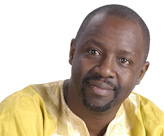
Jean-Paul Samputu
Chanteur/euse, Compositeur
Rwanda
© DR
Site web : http://www.samputufc.org
Français
Chanteur, musicien et humanitaire rwandais.
Il est né en 1962 au Rwanda et a commencé à chanter dans un choeur d'église en 1977. Il doit quitter le Rwanda pour ne pas être la cible des génocidaires qui annoncent dans les médias leur intention de massacrer les Tutsis. Son ami et voisin Vincent (ancien camarade d'école) sera l'assassin de son père ; il fera un chemin de guérison pour lui accorder le pardon lors d'un "Gacacca" (tribunal populaire). Il raconte son histoire dans le film THE INVINCIBLE (Yves Montand Niyongabo, 2014, Rwanda, Docu, 30min).
Il est né en 1962 au Rwanda et a commencé à chanter dans un choeur d'église en 1977. Il doit quitter le Rwanda pour ne pas être la cible des génocidaires qui annoncent dans les médias leur intention de massacrer les Tutsis. Son ami et voisin Vincent (ancien camarade d'école) sera l'assassin de son père ; il fera un chemin de guérison pour lui accorder le pardon lors d'un "Gacacca" (tribunal populaire). Il raconte son histoire dans le film THE INVINCIBLE (Yves Montand Niyongabo, 2014, Rwanda, Docu, 30min).
English
Born in Rwanda in 1962, Samputu began singing in 1977 in a church choir, and was influenced by traditional and contemporary music. The tragic genocide of 1994 affected Samputu in a profound way: He lost both of his parents, three brothers, and a sister. When he recovered from these horrific events, he dedicated his life to using his music to further the causes of peace, healing, and reconciliation. After winning the Kora Award for Best African Traditional Artist in 2003, he arrived in the US in 2004 for Ten Years Remembering, an event commemorating the 10th anniversary of the genocide in Rwanda. He continues to educate young people about genocide through panel discussions and forums at colleges and universities across the country.
Samputu has been honored with the opportunity to share his message and his music at the National Civil Rights Museum for the 2005 Freedom Awards. He is one of only two African artists to perform for the World Culture Open at the Lincoln Center in New York, and has also performed for the United Nations High Commisioner for Refugees for World Refugee Day. Other performances include Duke University; the Lake Eden Arts Festival (LEAF) in North Carolina; Pace University Law School; National Geographic Society; United Nations Day of Rememberance; AfroFest; and many other festivals, universities, churches, schools, and communities.
His latest CD, Voices from Rwanda, features the distinctive sound of exclusively tradtional Rwandan instruments and showcases Samputu's versatility. From the 12-string inanga, to the amakondera bamboo horns, to ingoma drums built from indigenous materials, Jean Paul brings the beauty and magic of Rwandan music to an international audience for the first time. His recordings are steeped in the many rich traditions of Rwandan music and dance, and include influences from Uganda, Burundi, and the Congo, as well as pygmy voices and traditions. Samputu sings in 6 languages (Kinyarwanda, Swahili, Lingala, Luganda, French and English), and in styles ranging from soukous, rhumba and reggae, to traditional Rwandan 5/8, Afrobeat, pygmy and gospel. He combines unique musical traditions from all regions of Rwanda, among them, Intwatwa, Umushayayo, Imparamba, and Ikinimba. His dance technique and style demonstrates why UNESCO officially declared Rwandan national dance one of the world's Unique Cultural Heritages.
Samputu has been honored with the opportunity to share his message and his music at the National Civil Rights Museum for the 2005 Freedom Awards. He is one of only two African artists to perform for the World Culture Open at the Lincoln Center in New York, and has also performed for the United Nations High Commisioner for Refugees for World Refugee Day. Other performances include Duke University; the Lake Eden Arts Festival (LEAF) in North Carolina; Pace University Law School; National Geographic Society; United Nations Day of Rememberance; AfroFest; and many other festivals, universities, churches, schools, and communities.
His latest CD, Voices from Rwanda, features the distinctive sound of exclusively tradtional Rwandan instruments and showcases Samputu's versatility. From the 12-string inanga, to the amakondera bamboo horns, to ingoma drums built from indigenous materials, Jean Paul brings the beauty and magic of Rwandan music to an international audience for the first time. His recordings are steeped in the many rich traditions of Rwandan music and dance, and include influences from Uganda, Burundi, and the Congo, as well as pygmy voices and traditions. Samputu sings in 6 languages (Kinyarwanda, Swahili, Lingala, Luganda, French and English), and in styles ranging from soukous, rhumba and reggae, to traditional Rwandan 5/8, Afrobeat, pygmy and gospel. He combines unique musical traditions from all regions of Rwanda, among them, Intwatwa, Umushayayo, Imparamba, and Ikinimba. His dance technique and style demonstrates why UNESCO officially declared Rwandan national dance one of the world's Unique Cultural Heritages.
Partager :

