


Fiche Personne
Musique
Théâtre
Cinéma/TV
 ©
©
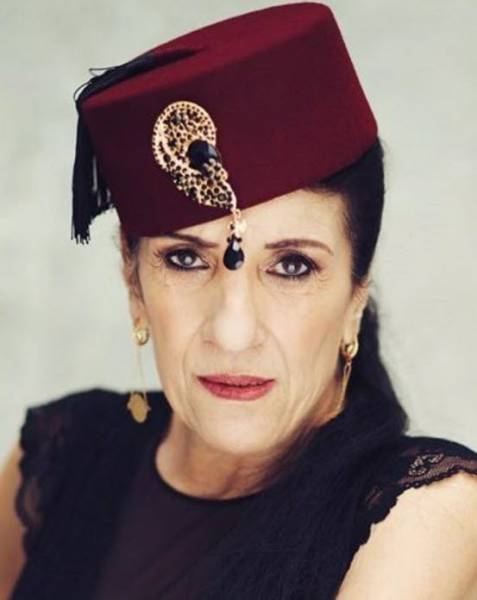
Biyouna (بيونة), de son vrai nom Baya Bouzar (باية بوزار), est une actrice, chanteuse et danseuse algérienne née le 13 septembre 1952 à Belcourt, un quartier populaire d’Alger, et décédée le 25 novembre 2025 à l’hôpital de Beni Messous, à Alger, à l’âge de 73 ans, des suites d’un cancer du poumon. Figure majeure de la culture maghrébine, elle laisse l’image d’une artiste libre, populaire et profondément attachée à l'Algérie.
Issue d’une famille où la musique tient une place importante, notamment grâce à sa sœur la chanteuse Leïla El Djazaïria, Biyouna se passionne très tôt pour le chant, la danse et la comédie. Adolescente, elle rejoint d’abord la troupe de Fadela Dziria, où elle assure les chœurs et joue des percussions, puis forme sa propre troupe avec laquelle elle anime mariages et fêtes populaires à Alger. À dix-sept ans, elle se produit déjà dans les cabarets de la capitale, avant de devenir danseuse au célèbre Copacabana à 19 ans, ce qui la fait remarquer dans le milieu artistique.
Sa carrière d’actrice démarre au début des années 1970 lorsque le réalisateur Mustapha Badie la repère et lui confie le rôle de Fatma dans le feuilleton télévisé La Grande Maison, adapté du roman de Mohammed Dib. Ce premier grand rôle la rend instantanément populaire auprès du public algérien et lui ouvre les portes de la télévision et du cinéma, où son tempérament explosif, son humour et sa liberté de ton deviennent sa marque de fabrique. Elle s’illustre ensuite alternant mélodrames, comédies et one-woman-shows, et s’impose comme une figure incontournable du petit écran algérien.
À partir de la fin des années 1990, Biyouna s'exporte en France, notamment avec le film Le Harem de Madame Osmane, puis La Voisine et Viva Laldjérie, qui la font connaître à un public plus large. En 2007, elle crève l’écran dans Délice Paloma, où elle incarne Madame Aldjéria, une matriarche mafieuse au charisme ravageur, rôle souvent considéré comme l’un des sommets de sa filmographie. Sa présence singulière, sa voix grave et sa capacité à mêler tragique et burlesque en font une actrice recherchée par de nombreux réalisateurs des deux rives de la Méditerranée.
Parallèlement, Biyouna mène une vraie carrière musicale, sortant au début des années 2000 l’album Raid Zone, puis Une blonde Dans La Casbah, projets mêlant influences algériennes et arrangements contemporains franco-algériens. Elle participe aussi à des spectacles musicaux comme l’Opéra d’Casbah de Fellag et prête sa voix à divers projets. Elle devient également une star des séries télévisées, notamment avec Nass Mlah City, diffusée durant le Ramadan, et la série tunisienne Nsibti Laaziza, où ses personnages hauts en couleur marquent durablement le public maghrébin.
Les dernières années de sa vie sont assombries par la maladie, un cancer du poumon contre lequel elle se bat pendant plusieurs années, régulièrement évoquée dans les médias algériens et français. Elle s’éteint le 25 novembre 2025 à Alger, à l’hôpital de Beni Messous, après une dégradation de son état de santé liée à des complications respiratoires. Elle laisse derrière elle une carrière de plus d’un demi-siècle et une immense popularité, symbole d’une femme artiste libre, audacieuse, drôle et émouvante, ayant su traverser les époques sans jamais renoncer à sa personnalité ni à sa langue, entre darija algérien, arabe dialectal et français.
www.imdb.com/name/nm0084670
Biyouna (بيونة), whose real name was Baya Bouzar (باية بوزار), was an Algerian actress, singer, and dancer born on September 13, 1952, in Belcourt, a working-class neighborhood of Algiers, and died on November 25, 2025, at the Beni Messous Hospital in Algiers, at the age of 73, from lung cancer. A major figure in Maghrebi culture, she is remembered as a free-spirited, popular artist deeply attached to Algeria.
Born into a family where music played a significant role, particularly through her sister, the singer Leïla El Djazaïria, Biyouna developed a passion for singing, dancing, and acting at a very young age. As a teenager, she first joined Fadela Dziria's troupe, where she sang in the choir and played percussion, before forming her own group with which she performed at weddings and popular festivals in Algiers. By seventeen, she was already performing in the capital's cabarets, before becoming a dancer at the famous Copacabana at nineteen, which brought her to the attention of the artistic community.
Her acting career began in the early 1970s when director Mustapha Badie spotted her and gave her the role of Fatma in the television series La Grande Maison, adapted from the novel by Mohammed Dib. This first major role made her instantly popular with the Algerian public and opened the doors of television and film for her, where her fiery temperament, humor, and outspokenness became her trademark. She then distinguished herself by alternating between melodramas, comedies, and one-woman shows, establishing herself as a key figure on Algerian television.
From the late 1990s onward, Biyouna's career took off in France, notably with the film Le Harem de Madame Osmane, followed by La Voisine and Viva Laldjérie, which brought her to the attention of a wider audience. In 2007, she captivated audiences in Délice Paloma, where she portrayed Madame Aldjéria, a charismatic mafia matriarch, a role often considered one of the highlights of her filmography. Her singular presence, her deep voice, and her ability to blend tragedy and comedy made her a sought-after actress for numerous directors on both sides of the Mediterranean.
At the same time, Biyouna pursued a successful musical career, releasing the album Raid Zone in the early 2000s, followed by Une blonde Dans La Casbah, projects blending Algerian influences with contemporary Franco-Algerian arrangements. She also participated in musical productions such as Fellag's Casbah Opera and lent her voice to various projects. She also became a star of television series, notably with Nass Mlah City, broadcast during Ramadan, and the Tunisian series Nsibti Laaziza, where her colorful characters left a lasting impression on Maghrebi audiences.
The last years of her life were overshadowed by illness, lung cancer, which she battled for several years and which was regularly discussed in the Algerian and French media. She passed away on November 25, 2025, in Algiers, at the Beni Messous hospital, after her health deteriorated due to respiratory complications. She leaves behind a career spanning more than half a century and immense popularity, a symbol of a free, audacious, funny, and moving female artist who navigated the changing times without ever abandoning her personality or her language, moving seamlessly between Algerian Darija, colloquial Arabic, and French.
Biyouna (بيونة), whose real name was Baya Bouzar (باية بوزار), was an Algerian actress, singer, and dancer born on September 13, 1952, in Belcourt, a working-class neighborhood of Algiers, and died on November 25, 2025, at the Beni Messous Hospital in Algiers, at the age of 73, from lung cancer. A major figure in Maghrebi culture, she is remembered as a free-spirited, popular artist deeply attached to Algeria.
Born into a family where music played a significant role, particularly through her sister, the singer Leïla El Djazaïria, Biyouna developed a passion for singing, dancing, and acting at a very young age. As a teenager, she first joined Fadela Dziria's troupe, where she sang in the choir and played percussion, before forming her own group with which she performed at weddings and popular festivals in Algiers. By seventeen, she was already performing in the capital's cabarets, before becoming a dancer at the famous Copacabana at nineteen, which brought her to the attention of the artistic community.
Her acting career began in the early 1970s when director Mustapha Badie spotted her and gave her the role of Fatma in the television series La Grande Maison, adapted from the novel by Mohammed Dib. This first major role made her instantly popular with the Algerian public and opened the doors of television and film for her, where her fiery temperament, humor, and outspokenness became her trademark. She then distinguished herself by alternating between melodramas, comedies, and one-woman shows, establishing herself as a key figure on Algerian television.
From the late 1990s onward, Biyouna's career took off in France, notably with the film Le Harem de Madame Osmane, followed by La Voisine and Viva Laldjérie, which brought her to the attention of a wider audience. In 2007, she captivated audiences in Délice Paloma, where she portrayed Madame Aldjéria, a charismatic mafia matriarch, a role often considered one of the highlights of her filmography. Her singular presence, her deep voice, and her ability to blend tragedy and comedy made her a sought-after actress for numerous directors on both sides of the Mediterranean.
At the same time, Biyouna pursued a successful musical career, releasing the album Raid Zone in the early 2000s, followed by Une blonde Dans La Casbah, projects blending Algerian influences with contemporary Franco-Algerian arrangements. She also participated in musical productions such as Fellag's Casbah Opera and lent her voice to various projects. She also became a star of television series, notably with Nass Mlah City, broadcast during Ramadan, and the Tunisian series Nsibti Laaziza, where her colorful characters left a lasting impression on Maghrebi audiences.
The last years of her life were overshadowed by illness, lung cancer, which she battled for several years and which was regularly discussed in the Algerian and French media. She passed away on November 25, 2025, in Algiers, at the Beni Messous hospital, after her health deteriorated due to respiratory complications. She leaves behind a career spanning more than half a century and immense popularity, a symbol of a free, audacious, funny, and moving female artist who navigated the changing times without ever abandoning her personality or her language, moving seamlessly between Algerian Darija, colloquial Arabic, and French.
http://www.imdb.com/name/nm0084670
Biyouna (Baya Bouzar)
Chanteur/euse, Danseur/se, Comédien(ne)
(Femme)
Algérie
©
Site web : www.imdb.com/title/tt1737175
Français
Biyouna (بيونة), de son vrai nom Baya Bouzar (باية بوزار), est une actrice, chanteuse et danseuse algérienne née le 13 septembre 1952 à Belcourt, un quartier populaire d’Alger, et décédée le 25 novembre 2025 à l’hôpital de Beni Messous, à Alger, à l’âge de 73 ans, des suites d’un cancer du poumon. Figure majeure de la culture maghrébine, elle laisse l’image d’une artiste libre, populaire et profondément attachée à l'Algérie.
Issue d’une famille où la musique tient une place importante, notamment grâce à sa sœur la chanteuse Leïla El Djazaïria, Biyouna se passionne très tôt pour le chant, la danse et la comédie. Adolescente, elle rejoint d’abord la troupe de Fadela Dziria, où elle assure les chœurs et joue des percussions, puis forme sa propre troupe avec laquelle elle anime mariages et fêtes populaires à Alger. À dix-sept ans, elle se produit déjà dans les cabarets de la capitale, avant de devenir danseuse au célèbre Copacabana à 19 ans, ce qui la fait remarquer dans le milieu artistique.
Sa carrière d’actrice démarre au début des années 1970 lorsque le réalisateur Mustapha Badie la repère et lui confie le rôle de Fatma dans le feuilleton télévisé La Grande Maison, adapté du roman de Mohammed Dib. Ce premier grand rôle la rend instantanément populaire auprès du public algérien et lui ouvre les portes de la télévision et du cinéma, où son tempérament explosif, son humour et sa liberté de ton deviennent sa marque de fabrique. Elle s’illustre ensuite alternant mélodrames, comédies et one-woman-shows, et s’impose comme une figure incontournable du petit écran algérien.
À partir de la fin des années 1990, Biyouna s'exporte en France, notamment avec le film Le Harem de Madame Osmane, puis La Voisine et Viva Laldjérie, qui la font connaître à un public plus large. En 2007, elle crève l’écran dans Délice Paloma, où elle incarne Madame Aldjéria, une matriarche mafieuse au charisme ravageur, rôle souvent considéré comme l’un des sommets de sa filmographie. Sa présence singulière, sa voix grave et sa capacité à mêler tragique et burlesque en font une actrice recherchée par de nombreux réalisateurs des deux rives de la Méditerranée.
Parallèlement, Biyouna mène une vraie carrière musicale, sortant au début des années 2000 l’album Raid Zone, puis Une blonde Dans La Casbah, projets mêlant influences algériennes et arrangements contemporains franco-algériens. Elle participe aussi à des spectacles musicaux comme l’Opéra d’Casbah de Fellag et prête sa voix à divers projets. Elle devient également une star des séries télévisées, notamment avec Nass Mlah City, diffusée durant le Ramadan, et la série tunisienne Nsibti Laaziza, où ses personnages hauts en couleur marquent durablement le public maghrébin.
Les dernières années de sa vie sont assombries par la maladie, un cancer du poumon contre lequel elle se bat pendant plusieurs années, régulièrement évoquée dans les médias algériens et français. Elle s’éteint le 25 novembre 2025 à Alger, à l’hôpital de Beni Messous, après une dégradation de son état de santé liée à des complications respiratoires. Elle laisse derrière elle une carrière de plus d’un demi-siècle et une immense popularité, symbole d’une femme artiste libre, audacieuse, drôle et émouvante, ayant su traverser les époques sans jamais renoncer à sa personnalité ni à sa langue, entre darija algérien, arabe dialectal et français.
www.imdb.com/name/nm0084670
English
Biyouna (بيونة), whose real name was Baya Bouzar (باية بوزار), was an Algerian actress, singer, and dancer born on September 13, 1952, in Belcourt, a working-class neighborhood of Algiers, and died on November 25, 2025, at the Beni Messous Hospital in Algiers, at the age of 73, from lung cancer. A major figure in Maghrebi culture, she is remembered as a free-spirited, popular artist deeply attached to Algeria.
Born into a family where music played a significant role, particularly through her sister, the singer Leïla El Djazaïria, Biyouna developed a passion for singing, dancing, and acting at a very young age. As a teenager, she first joined Fadela Dziria's troupe, where she sang in the choir and played percussion, before forming her own group with which she performed at weddings and popular festivals in Algiers. By seventeen, she was already performing in the capital's cabarets, before becoming a dancer at the famous Copacabana at nineteen, which brought her to the attention of the artistic community.
Her acting career began in the early 1970s when director Mustapha Badie spotted her and gave her the role of Fatma in the television series La Grande Maison, adapted from the novel by Mohammed Dib. This first major role made her instantly popular with the Algerian public and opened the doors of television and film for her, where her fiery temperament, humor, and outspokenness became her trademark. She then distinguished herself by alternating between melodramas, comedies, and one-woman shows, establishing herself as a key figure on Algerian television.
From the late 1990s onward, Biyouna's career took off in France, notably with the film Le Harem de Madame Osmane, followed by La Voisine and Viva Laldjérie, which brought her to the attention of a wider audience. In 2007, she captivated audiences in Délice Paloma, where she portrayed Madame Aldjéria, a charismatic mafia matriarch, a role often considered one of the highlights of her filmography. Her singular presence, her deep voice, and her ability to blend tragedy and comedy made her a sought-after actress for numerous directors on both sides of the Mediterranean.
At the same time, Biyouna pursued a successful musical career, releasing the album Raid Zone in the early 2000s, followed by Une blonde Dans La Casbah, projects blending Algerian influences with contemporary Franco-Algerian arrangements. She also participated in musical productions such as Fellag's Casbah Opera and lent her voice to various projects. She also became a star of television series, notably with Nass Mlah City, broadcast during Ramadan, and the Tunisian series Nsibti Laaziza, where her colorful characters left a lasting impression on Maghrebi audiences.
The last years of her life were overshadowed by illness, lung cancer, which she battled for several years and which was regularly discussed in the Algerian and French media. She passed away on November 25, 2025, in Algiers, at the Beni Messous hospital, after her health deteriorated due to respiratory complications. She leaves behind a career spanning more than half a century and immense popularity, a symbol of a free, audacious, funny, and moving female artist who navigated the changing times without ever abandoning her personality or her language, moving seamlessly between Algerian Darija, colloquial Arabic, and French.
Biyouna (بيونة), whose real name was Baya Bouzar (باية بوزار), was an Algerian actress, singer, and dancer born on September 13, 1952, in Belcourt, a working-class neighborhood of Algiers, and died on November 25, 2025, at the Beni Messous Hospital in Algiers, at the age of 73, from lung cancer. A major figure in Maghrebi culture, she is remembered as a free-spirited, popular artist deeply attached to Algeria.
Born into a family where music played a significant role, particularly through her sister, the singer Leïla El Djazaïria, Biyouna developed a passion for singing, dancing, and acting at a very young age. As a teenager, she first joined Fadela Dziria's troupe, where she sang in the choir and played percussion, before forming her own group with which she performed at weddings and popular festivals in Algiers. By seventeen, she was already performing in the capital's cabarets, before becoming a dancer at the famous Copacabana at nineteen, which brought her to the attention of the artistic community.
Her acting career began in the early 1970s when director Mustapha Badie spotted her and gave her the role of Fatma in the television series La Grande Maison, adapted from the novel by Mohammed Dib. This first major role made her instantly popular with the Algerian public and opened the doors of television and film for her, where her fiery temperament, humor, and outspokenness became her trademark. She then distinguished herself by alternating between melodramas, comedies, and one-woman shows, establishing herself as a key figure on Algerian television.
From the late 1990s onward, Biyouna's career took off in France, notably with the film Le Harem de Madame Osmane, followed by La Voisine and Viva Laldjérie, which brought her to the attention of a wider audience. In 2007, she captivated audiences in Délice Paloma, where she portrayed Madame Aldjéria, a charismatic mafia matriarch, a role often considered one of the highlights of her filmography. Her singular presence, her deep voice, and her ability to blend tragedy and comedy made her a sought-after actress for numerous directors on both sides of the Mediterranean.
At the same time, Biyouna pursued a successful musical career, releasing the album Raid Zone in the early 2000s, followed by Une blonde Dans La Casbah, projects blending Algerian influences with contemporary Franco-Algerian arrangements. She also participated in musical productions such as Fellag's Casbah Opera and lent her voice to various projects. She also became a star of television series, notably with Nass Mlah City, broadcast during Ramadan, and the Tunisian series Nsibti Laaziza, where her colorful characters left a lasting impression on Maghrebi audiences.
The last years of her life were overshadowed by illness, lung cancer, which she battled for several years and which was regularly discussed in the Algerian and French media. She passed away on November 25, 2025, in Algiers, at the Beni Messous hospital, after her health deteriorated due to respiratory complications. She leaves behind a career spanning more than half a century and immense popularity, a symbol of a free, audacious, funny, and moving female artist who navigated the changing times without ever abandoning her personality or her language, moving seamlessly between Algerian Darija, colloquial Arabic, and French.
http://www.imdb.com/name/nm0084670
Disque(s)
-
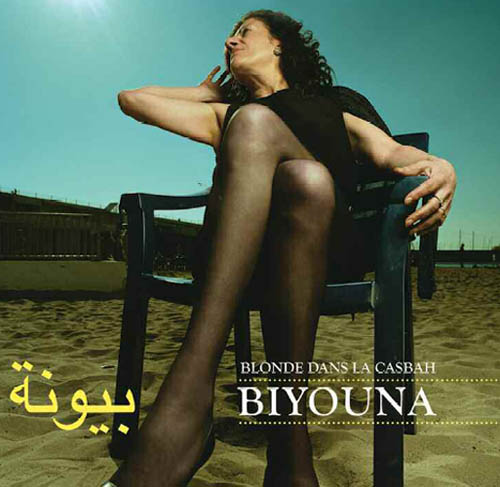 Blonde dans la casbahAlbum - 2006Grande star en Algérie, connue pour sa forte personnalité, ses rôles décalés, sa voix rauque inimitable, cette...Biyouna (Baya Bouzar) est lié(e) à ce Disque en tant que musicien/ne
 -
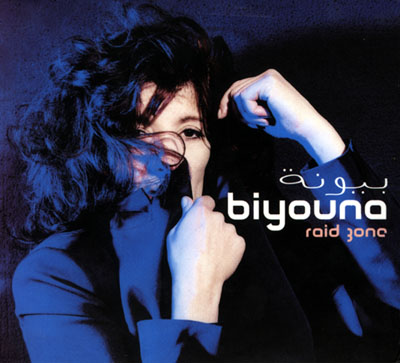 Raid ZoneAlbum - 2002En 1999, après 30 ans de métier, la comédienne sort pour la première fois de son pays pour tourner un film au ...Biyouna (Baya Bouzar) est lié(e) à ce Disque en tant que musicien/ne
Films(s)
-
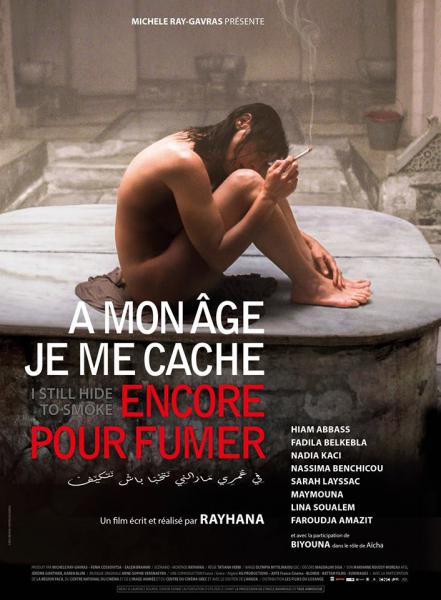 À mon âge je me cache encore pour fumer - في سني أختبئ لأدخنLong-métrage - 2016Au cœur du hammam loin du regard accusateur des hommes, mères, amantes, vierges ou exaltées islamistes, des fesses et des foulards de Dieu se confrontent, s'interpellent entre fous rires, pleurs et colères, bible et cora...Biyouna (Baya Bouzar) est lié(e) à ce film en tant que acteur/trice
 -
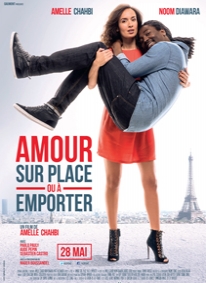 Amour sur place ou à emporterLong-métrage - 2013Amelle et Noom sont deux jeunes trentenaires que tout oppose. Le destin va les réunir. ELLE, sérieuse, dynamique est manager dans un Starbucks. LUI, dilettante, vif et malin est apprenti humoriste. Tous deux à peine reve...Biyouna (Baya Bouzar) est lié(e) à ce film en tant que acteur/trice
 -
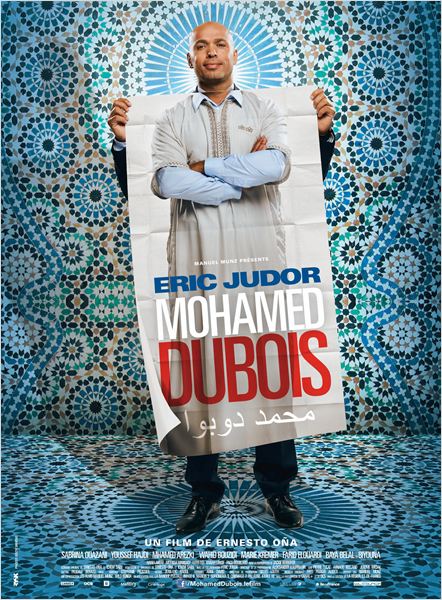 Mohamed DuboisLong-métrage - 2012Héritier de la banque Berthier, Arnaud Dubois a plutôt une tête à se prénommer… Mohamed. D'ailleurs ne serait-il pas plutôt le fils de Saïd, l'ex-prof de tennis de sa mère à Djerba ? Suite à une dispute avec son père, il...Biyouna (Baya Bouzar) est lié(e) à ce film en tant que acteur/trice
 -
 Baie d'Alger (La)Long-métrage - 2011Alger 2010. Un romancier est invité pour présenter son dernier roman "La Baie d'Alger". En revoyant sa ville natale, Louis se souvient de ses émois d'adolescent. Ceux d'un jeune européen vivant à Alger en 1955. Alger ...Biyouna (Baya Bouzar) est lié(e) à ce film en tant que acteur/trice
 -
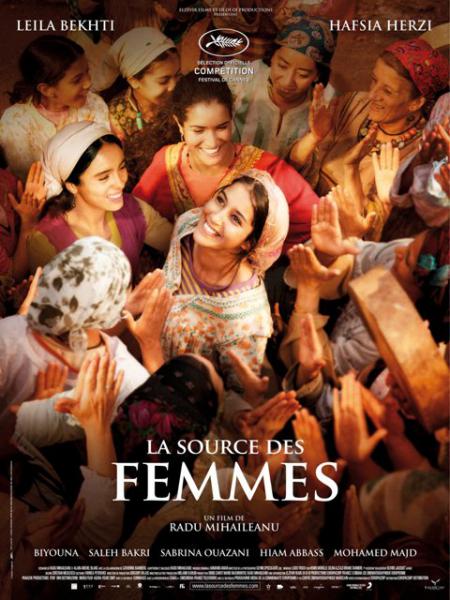 Source des femmes (La)Long-métrage - 2011Cela se passe de nos jours dans un petit village, quelque part entre l'Afrique du Nord et le Moyen-Orient. Les femmes vont chercher l'eau à la source, en haut de la montagne, sous un soleil de plomb, et ce depuis la nuit...Biyouna (Baya Bouzar) est lié(e) à ce film en tant que acteur/trice
 -
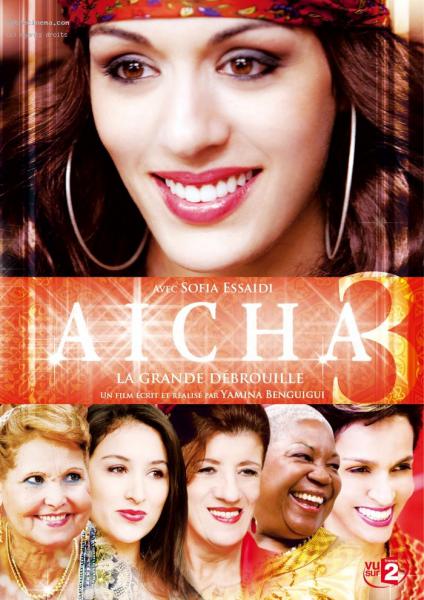 Aïcha 3 - La grande débrouilleLong-métrage - 2011Pour être passée à un cheveu de perdre son job, Aïcha est plus que jamais déterminée à réaliser son rêve : quitter la cité. Albane Granger la charge alors de réaliser une enquête de satisfaction sur les produits ‘Frisé i...Biyouna (Baya Bouzar) est lié(e) à ce film en tant que acteur/trice
 -
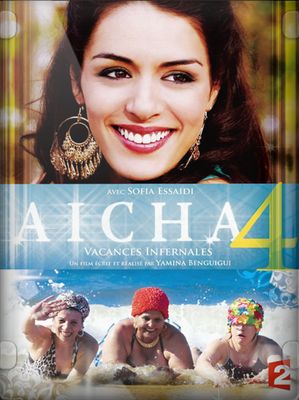 Aïcha 4 - Les vacances infernalesLong-métrage - 2011Chez les Bouamazza, les vacances, c'est le retour au pays. Mais cette année, avec la révolution du printemps arabe, les projets de la famille sont tombés à l'eau. Aïcha a réussi à leur organiser un séjour dans un gîte en...Biyouna (Baya Bouzar) est lié(e) à ce film en tant que acteur/trice
 -
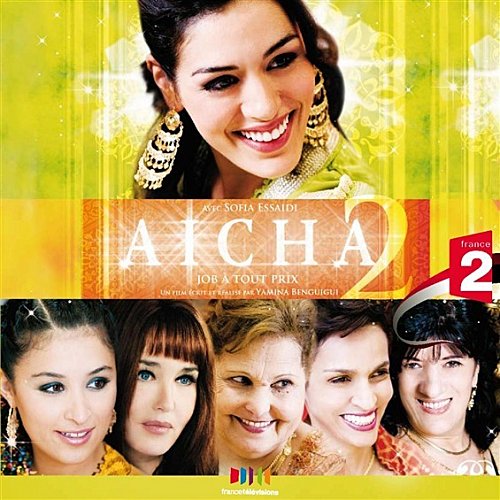 Aïcha 2 - job à tout prixLong-métrage - 2010Aïcha vit avec sa famille dans une cité ghetto de la banlieue nord de Paris. Stagiaire dans l'antenne locale d'un grand groupe, elle rêve d'intégrer le siège, à Paris. Personne ne semble la remarquer jusqu'à ce que la di...Biyouna (Baya Bouzar) est lié(e) à ce film en tant que acteur/trice
 -
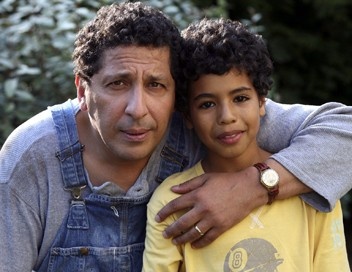 Garçon manquéLong-métrage - 2009Un beau matin, Noureddine, qui a toujours cru être un petit garçon, découvre que Fatima, sa maman, lui a menti pendant onze ans. En fait, il est une petite fille. Mais onze ans de jeux de balles, de blagues avec les copa...Biyouna (Baya Bouzar) est lié(e) à ce film en tant que acteur/trice
 -
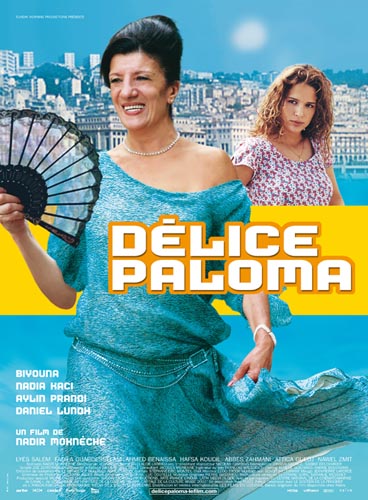 Délice PalomaLong-métrage - 2006Vous avez besoin d'un permis de construire ? Vous êtes seul un soir ? Appelez la bienfaitrice nationale, Mme Aldjéria : elle vous arrange ça. Celle qui s'est donné le nom du pays ne rec...Biyouna (Baya Bouzar) est lié(e) à ce film en tant que acteur/trice
 -
 Voisine (La)Long-métrage - 2003Le monde de la casbah régi par les lois sévères, délimitant l'espace t le temps, où l'univers féminin obéit à des lois immuables transmises de gén&ea...Biyouna (Baya Bouzar) est lié(e) à ce film en tant que acteur/trice
 -
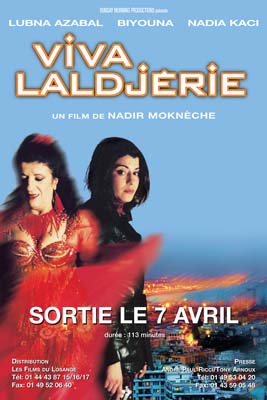 Viva LaldjérieLong-métrage - 2003Alger, hiver 2003. La maman, la fille et la putain sont installées, depuis le début des violences terroristes, dans un hôtel du centre ville. Goucem, la fille, s'est organisée une vie &eacu...Biyouna (Baya Bouzar) est lié(e) à ce film en tant que acteur/trice
 -
 Harem de Mme Osmane (Le)Long-métrage - 1999Alger en 1993, c'est le début de la guerre civile. Madame Osmane a été abandonnée par son mari qui s'est remarié en France et depuis, hantée par la peur de perdre sa resp...Biyouna (Baya Bouzar) est lié(e) à ce film en tant que acteur/trice
 -
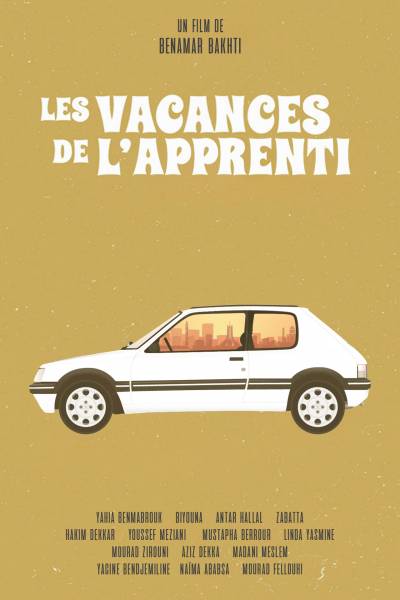 Les Vacances de l'apprentiLong-métrage - 1999Les Vacances de l'apprenti (عطلة لبرانتي) est un film algérien réalisé par Benamar Bakhti, sorti en 1999. Ce long-métrage ...Biyouna (Baya Bouzar) est lié(e) à ce film en tant que acteur/trice
 -
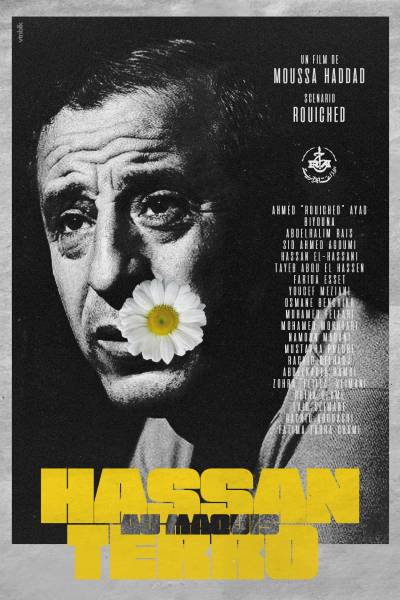 Hassan Terro au MaquisLong-métrage - 1978Alors qu'il tente par tous les moyens de rester en dehors des bouleversements sanglants provoqués par la bataille d'Alger, Hassan, père de famille intègre et naïf, est inculpé de terrorisme sur un malentendu par l'armée ...Biyouna (Baya Bouzar) est lié(e) à ce film en tant que acteur/trice
 -
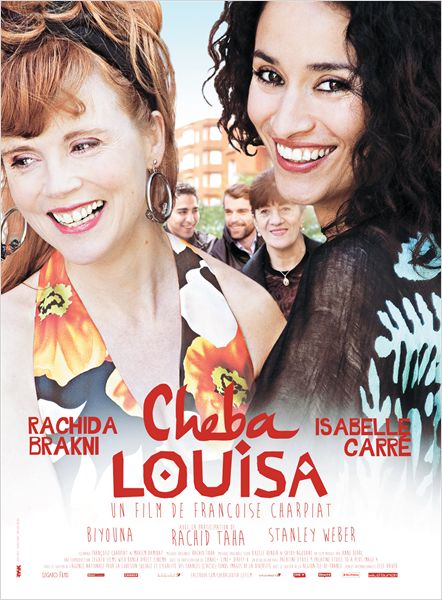 Cheba LouisaLong-métrageA 30 ans, Djemila, juriste célibataire a enfin son propre appartement... à deux pas de chez ses parents. Française d'origine maghrébine, elle fait tout pour gommer ses origines. Emma, sa voisine déjantée et fauchée, rame...Biyouna (Baya Bouzar) est lié(e) à ce film en tant que acteur/trice
 -
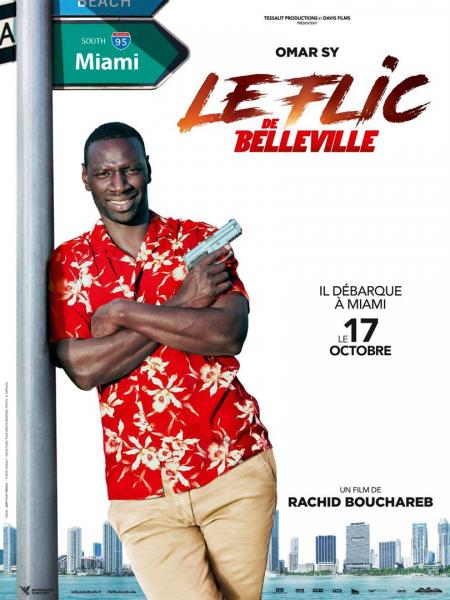 Flic de Belleville (Le)Long-métrageBaaba est flic à Belleville, quartier qu'il n'a jamais quitté, au grand désespoir de sa copine qui le tanne pour enfin vivre avec lui, ailleurs, et loin de sa mère. Un soir, Roland, son ami d'enfance, est assassiné sous ...Biyouna (Baya Bouzar) est lié(e) à ce film en tant que acteur/trice
Partager :

